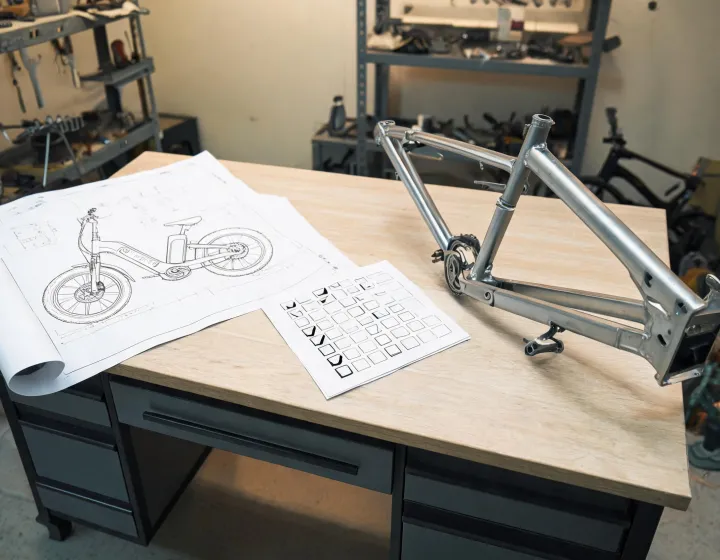
1. Write what the bicycle must be
A product name is an entry point. Frame geometry, wheel dimensions, drive layout, battery enclosure, braking and intended use define the purchasing task. We distinguish a requirement from an example and keep unsupported values marked for confirmation.
2. Make quotations answer the same question
One supplier may quote a frame while another quotes a complete set with charger and accessories. Comparison starts by normalizing quantity, pack ratio, assembly level, carton dimensions, destination and freight scope. Different exclusions must remain visible alongside the price.
3. Link evidence to the proposed configuration
Battery capacity and rated load statements need their stated conditions. A document should identify the relevant manufacturer, model, components and revision. Exact-item test evidence is something to request and review; the service does not turn a general brochure into verified performance.
4. Preserve the buyer's decision
The buyer chooses the acceptable material, component trade-offs, sample approval and commercial terms. We help make those choices explicit. Premium, mid-range and budget preferences guide questions about customization, finish and service; they are not supplier ratings awarded by this website.